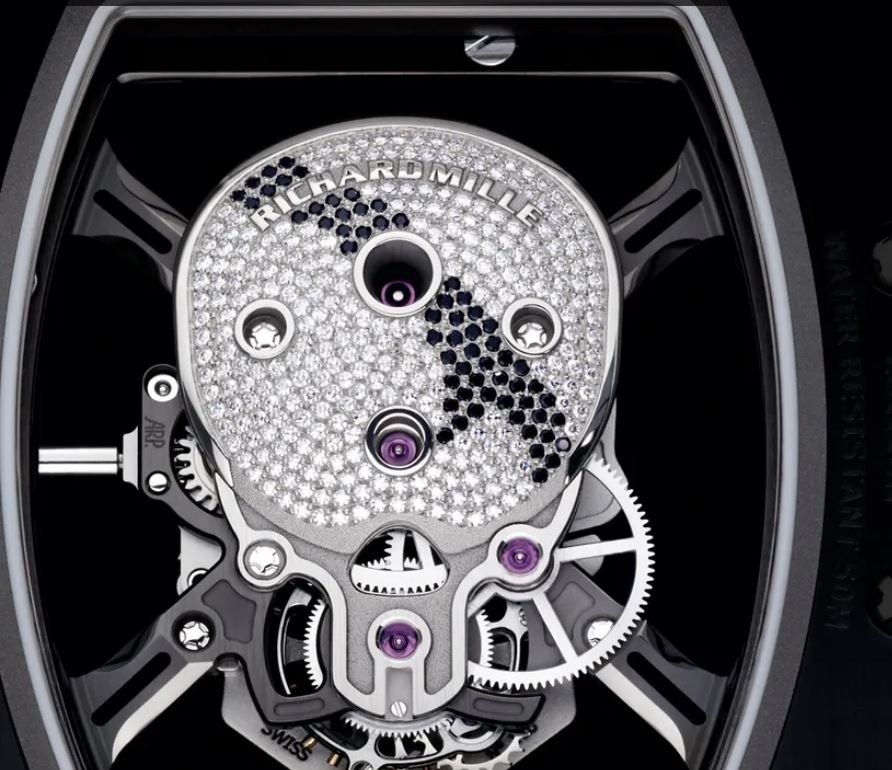
Skull-dial listings can vary by finish, strap and movement label. Match those attributes when comparing historical prices across RM 52 entries.
Skull-dial listings can vary by finish, strap and movement label. Match those attributes when comparing historical prices across RM 52 entries.
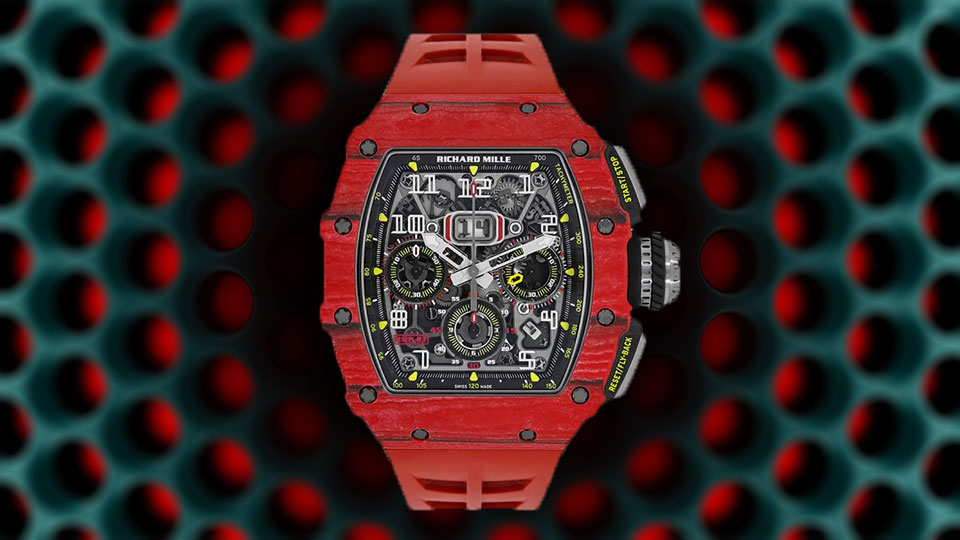
Red can appear in the strap, bezel or small dial markers. Comparing the placement of the color is more useful than grouping every red listing together.

A similar case silhouette or dial color does not establish authenticity. The entries here are historical replica listings and should be understood in that context.
A matching case outline, dial color or model number does not establish origin. Use photographs to note what is visible and keep authentication separate. Close-ups can help identify differences in layout, but lighting and viewing angle can obscure them.
Compare the bezel profile, positions of markers, strap attachment and the wording of the reference. If a detail appears only on one listing, it may simply be absent from the other capture. Avoid treating missing images as evidence for or against a claim.
A historic replica listing documents what a seller published. It is not provenance for a watch. If the origin of an actual watch matters, consult a qualified independent specialist with access to the physical watch and relevant records.
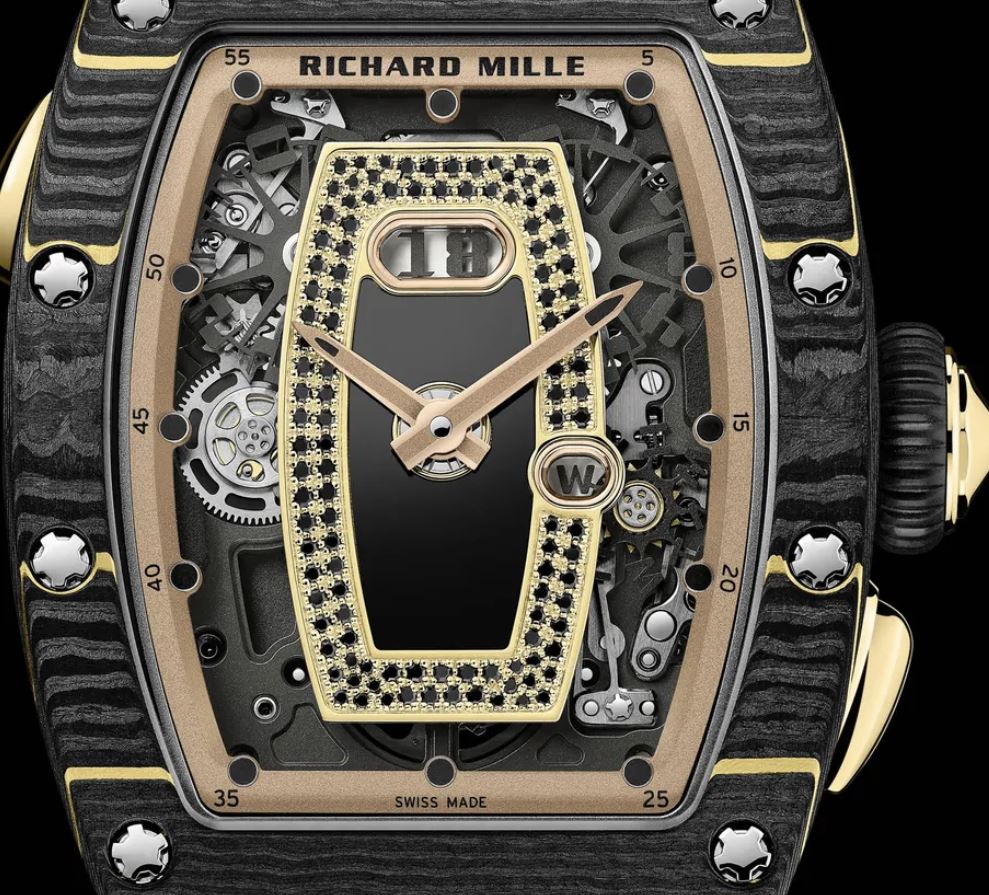
Separate a color name from the underlying material. Compare the listed case material and photos, especially when warm lighting makes several finishes look alike.

The skull motif makes the RM 52-01 family recognizable across several archived listings. Examine the case finish, dial details and strap rather than relying on the family name alone.
In RM 52-01 archive photos, compare the shape of the skull, the surrounding case and the spacing around the dial markings. Look at photos from the front before comparing side details. Similar styling does not establish that two listings describe the same option.
Two entries may use the same reference but show contrasting case finishes or straps. Treat rose-tone, black and other color terms as appearance labels unless the archive separately identifies a material. Use the image gallery and the historical specification table together.
The archive groups different RM 052 references together. Read the full title and the exact suffix before comparing variants or historical prices. The price on one skull-dial listing cannot be generalized to other models in the collection.
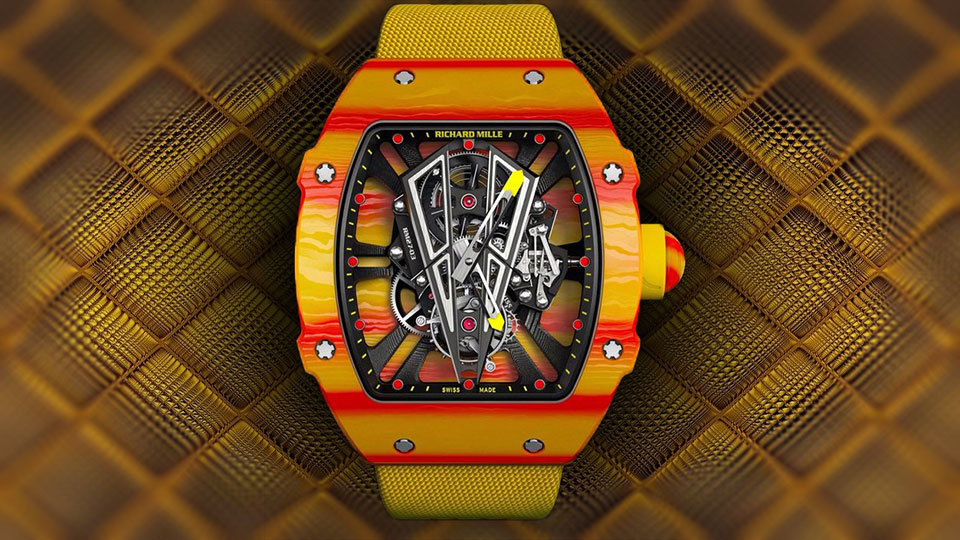
Begin with the reference and note what the page actually provides: photos, dimensions, strap, movement and options. Missing information should stay unknown.
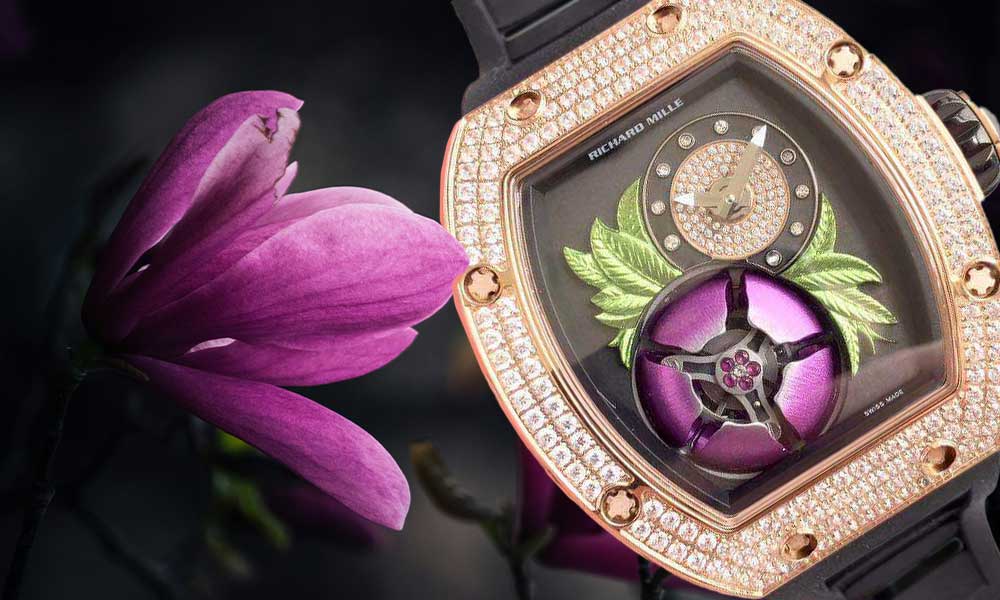
The dial artwork and its framing distinguish the RM 19-02 listings. A tourbillon in a title is a claim to check against the movement information and photographs.
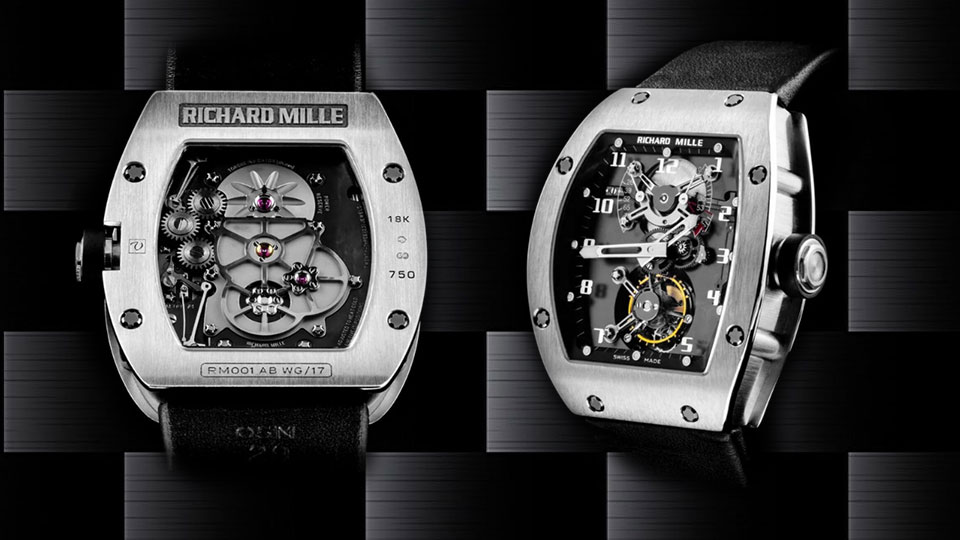
Compare the positioning of the dial indications and visible components across RM 001 listings. A reference or movement label in the archive is not independent verification.

Start with the eagle motif, then compare the finish on the case, dial bridges and markers. A rose-gold color description alone does not identify the case material.
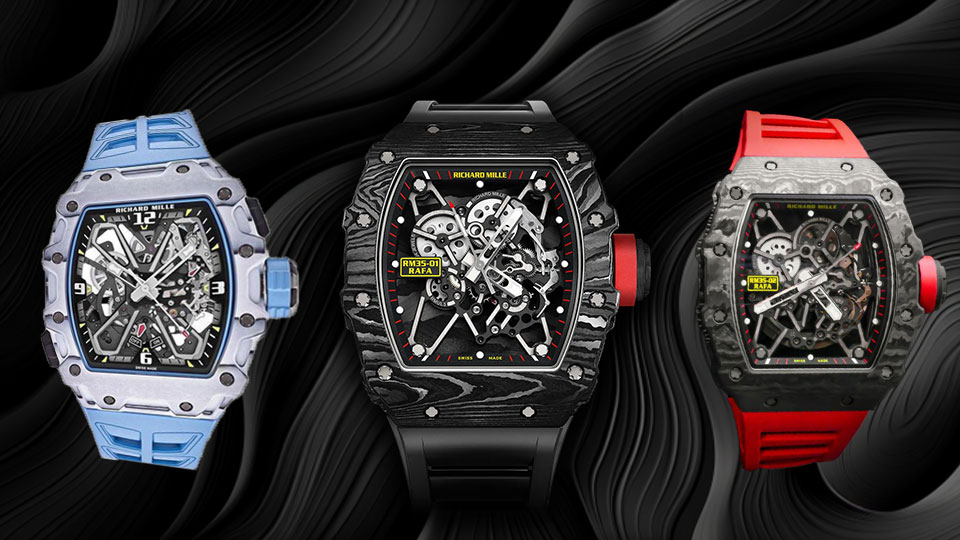
A listing can document a replica design, but it does not establish genuine brand origin. Use the reference as an index and read the replica label as part of the record.