Posted on

Reading Watch Photos for Distinguishing Details

Reading Watch Photos for Distinguishing Details

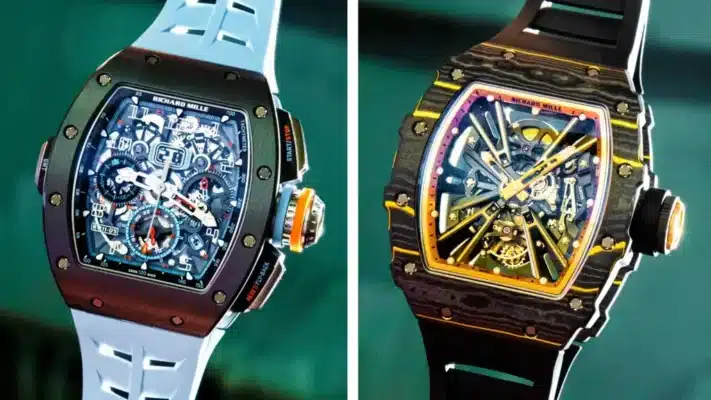
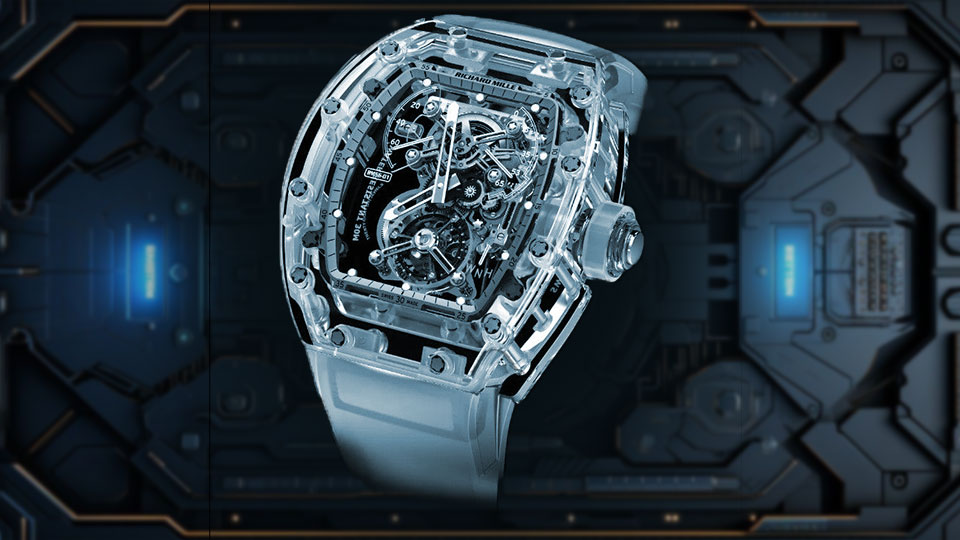
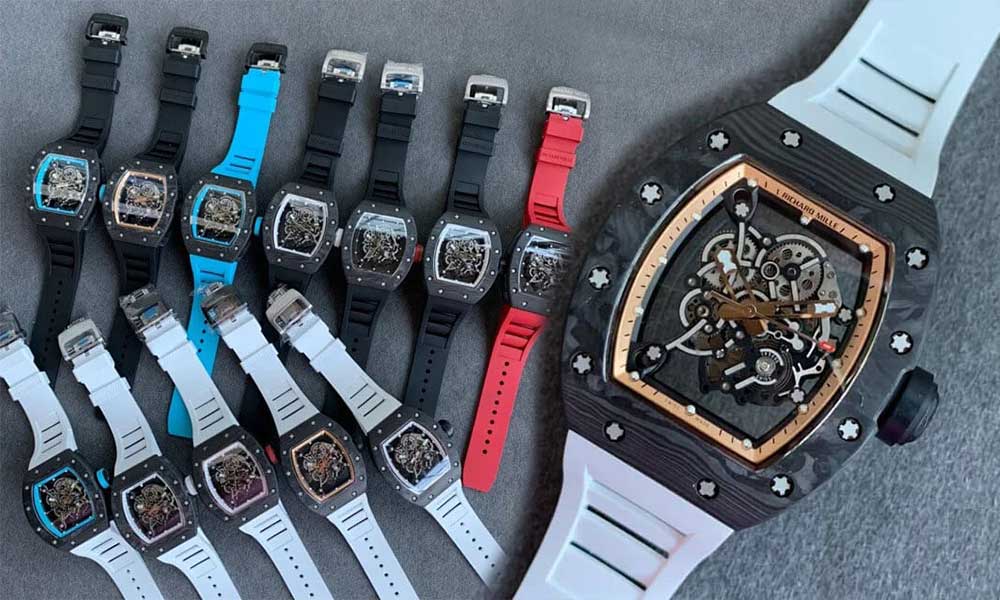
Look at the spacing and alignment of dial markings, the profile of the bezel and how the strap meets the case. Photos can help organize listings but cannot substitute for independent authentication.

Compare front, side and strap images

Look for a straight-on view before comparing markers, hands or dial proportions. Use side images for the shape of the bezel and case. Compare the strap junction on both sides if photos are available. Small variations in camera perspective can make an edge look wider or narrower.

Keep text and images in separate notes

Record the reference and written specification exactly as the listing presents them. Note whether an image visibly supports a detail or whether the capture has no photo of it. A single catalog image cannot verify construction, serial numbers or origin.

Interpret the result conservatively

The comparison can help distinguish different archived designs, but it is not authentication of a physical watch. If the record is incomplete, limit the comparison to the fields and photographs that survived.
Posted on

A Guide to Richard Mille Watch Models

A Guide to Richard Mille Watch Models

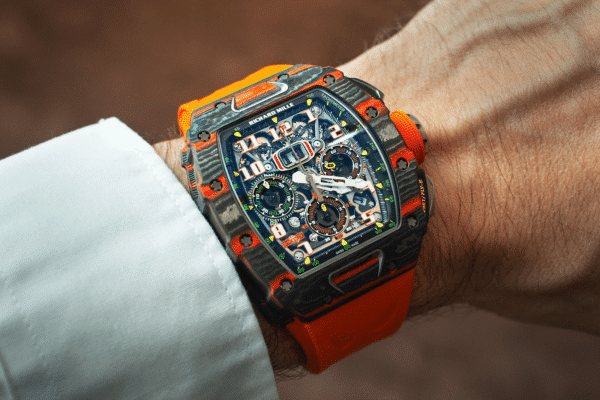
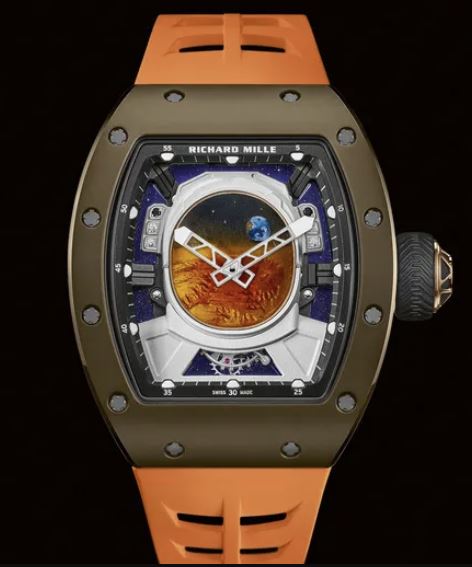
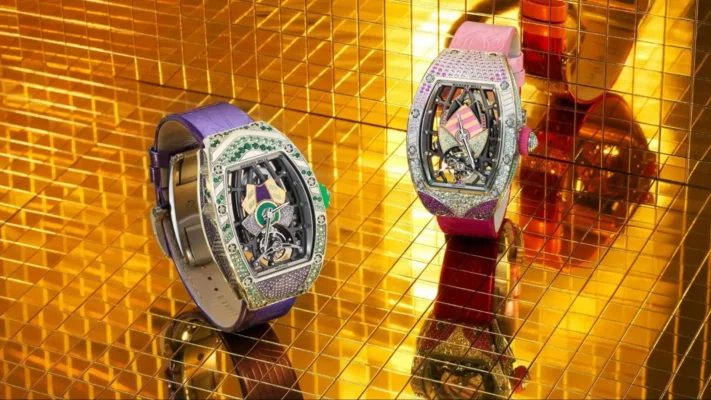
Start with the reference number and look at the case profile, dial layout and strap. Different watches with a similar outline can have very different construction. This archive groups listings by model family so the details can be compared side by side.

How to read a model reference

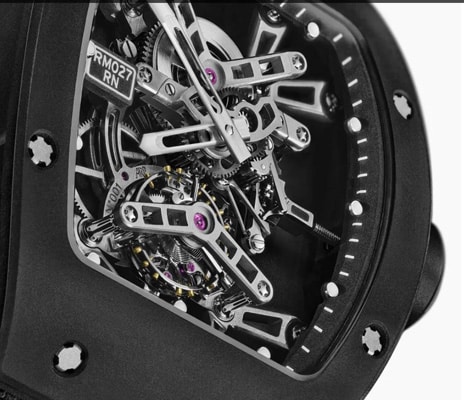
Start with the complete reference on the listing. Keep a suffix such as V2 or 03 in your notes because an otherwise similar case may house a different dial layout. An archive category groups listings for browsing and does not establish that every product in it shares one movement.

Compare the same views

Use a straight-on image for the display and a side image for the profile. Front photographs make it easy to compare the positions of the hands, subdials and markers. Side images help when looking at bezel thickness, fasteners or how the strap meets the case. Leave these fields blank if the necessary image is missing.

Try three families

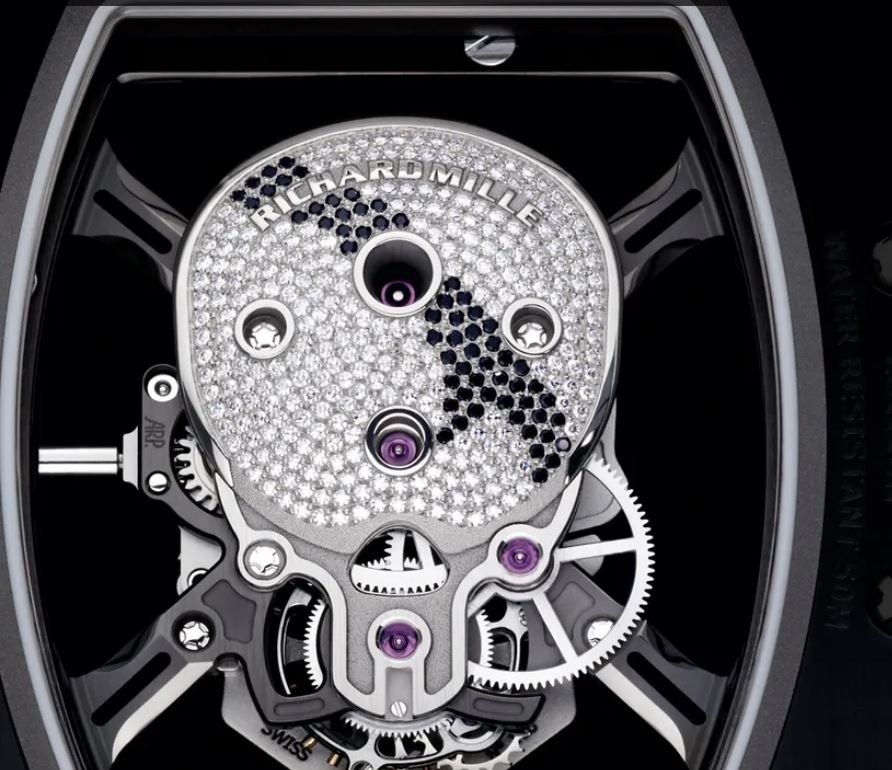
Use the RM 011 collection to compare dial layouts, RM 035 to compare case and strap finishes, and RM 052 to compare skull motifs. Open an individual record for the observations and historical options that were actually captured.

Posted on

How to Compare Richard Mille Replica Listings

How to Compare Richard Mille Replica Listings

Use a clear set of criteria before comparing listings: case dimensions, strap fit, movement information and photographs from several angles. Treat a price or grade label from the archived store as historical information.

Build a consistent comparison

Write down the reference, case description, dial, strap and movement label for each listing. Compare only like fields. For example, a case color tells you little about its construction if the material field is missing. Separate what the text says from what a photograph visibly shows.

Check which option the price describes

A product with multiple variants can have a broad headline range. The archived options table shows which amount went with which label when the archive captured those details. If the original record shows a range but the option list is missing, the lower price cannot be assigned to a specific variant.

Set aside unsupported details

Dimensions, movement names and water-resistance statements reflect the historic listing. A photograph cannot test water resistance or verify a movement. When comparing the records, mark a missing or unsupported specification as unknown.

Posted on

How to Read a Replica Watch Listing

How to Read a Replica Watch Listing

A listing can describe a watch as a replica regardless of how similar it looks to the original. Separate the model reference from the seller’s terminology and use photos only as evidence of what the listing depicted.

Read the replica label and reference separately

The reference helps identify the design family described in the listing. A replica or clone label describes how the item was presented by the original storefront. A familiar reference on an archived page is not evidence of a genuine watch.

Check for visible detail

Start with pictures of the complete face and the connection between case and strap. Compare the dial arrangement, case outline and fastener placement. Similar studio lighting can make case finishes look alike, so compare a second view where it survives.

Document what is missing

Some archived product pages have only a title, and others retain photographs or a structured table. If a photograph is missing, skip any conclusions about fit or finish. This difference in coverage is why some pages give a fuller comparison than others.

Posted on

Understanding Historical Watch Prices

Understanding Historical Watch Prices

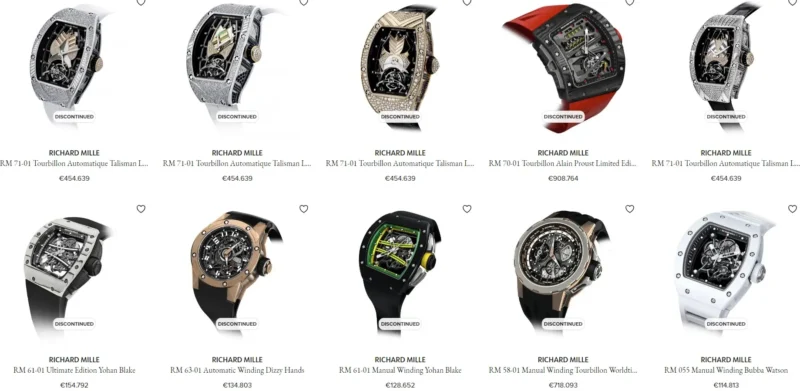
Price ranges on archived listings may reflect different options for a single model. The options on the product page are a better guide to that historical price range than the headline price on a card.

Identify the source of the price

The value on a listing card is a historical record. A product page can come from a different capture date than the catalogue card, so the two records may show different ranges. Compare prices from the same type of page and check whether an individual variant is identified.

Compare variants at the same level

A variant price applies to one named option. A range summarizes several options. Avoid treating the bottom of a range as the price for a specific color or grade unless the options table associates that value with the same choice.

Separate replica and original markets

The archive records past prices from a replica storefront. Figures for genuine timepieces require a separate source and a known reference, condition and date. Neither an original watch valuation nor current replica availability can be inferred from an archived figure here.

Posted on

What Shapes the Price of a Richard Mille Watch?

What Shapes the Price of a Richard Mille Watch?

Compare materials, movement construction and production differences when reading about the price of an original timepiece. Replica catalogue prices describe a different market and should be interpreted separately.

Which attributes affect a comparison?

Look at the exact reference and version first. Movement design, the case material and the level of finishing can vary across watches that share a recognizable outline. A price comparison without the full reference can combine fundamentally different objects.

Separate technical detail from scarcity claims

Descriptions may emphasize the movement, construction or edition. Look for a source that identifies the watch and explains the particular feature. A photo may show a case finish but does not independently establish the material, production quantity or origin.

Use historical replica prices for the right purpose

These archived listings can help compare the labels and options used by one historic storefront. They do not measure auction results or establish the market value of genuine Richard Mille watches. Keep the two types of evidence separate when making a comparison.