The junction between the strap and the case helps separate superficially similar black-and-red designs. Compare buckle, case and dial photos alongside the reference.
The junction between the strap and the case helps separate superficially similar black-and-red designs. Compare buckle, case and dial photos alongside the reference.
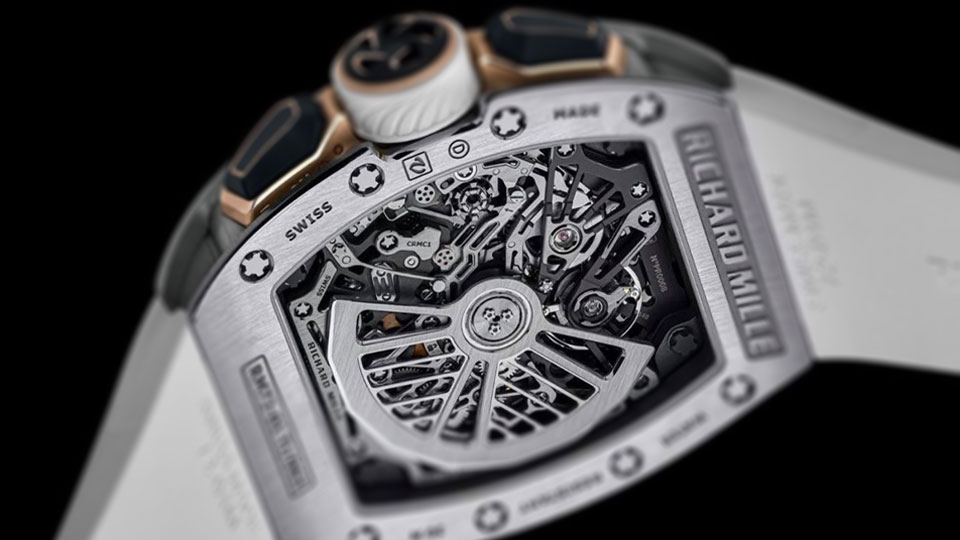
Case finish and strap color often change the look more than small dial details. Use the model categories to compare those combinations without assuming they share the same movement.
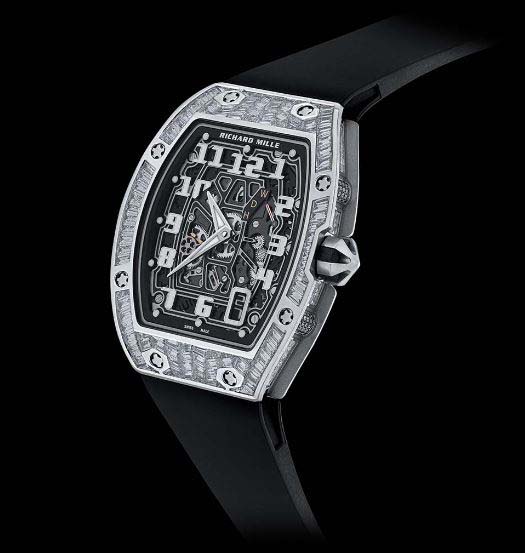
Check the full reference after RM 11. The suffix can distinguish different dial and case configurations in the catalogue.
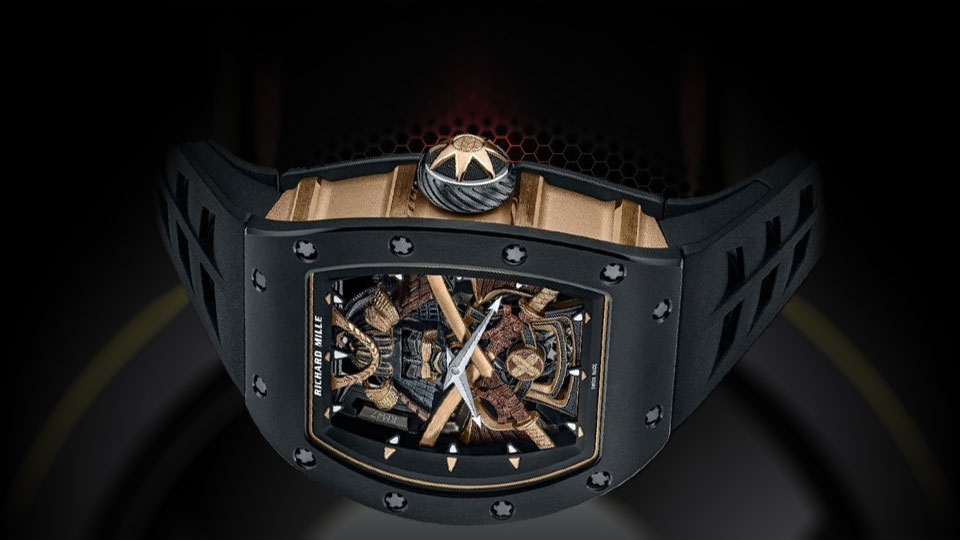
The shape and placement of the central dial motif offer a starting point for comparing archived RM 47 entries. Treat edition and movement labels as claims from the historical listing.
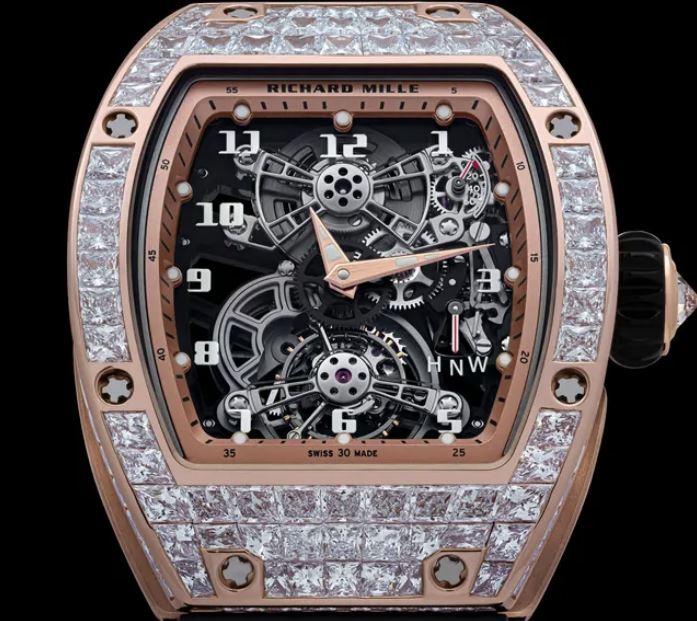
A front photograph gives limited information about fit. Compare case dimensions, thickness and strap curvature when judging how a watch might sit on a wrist.
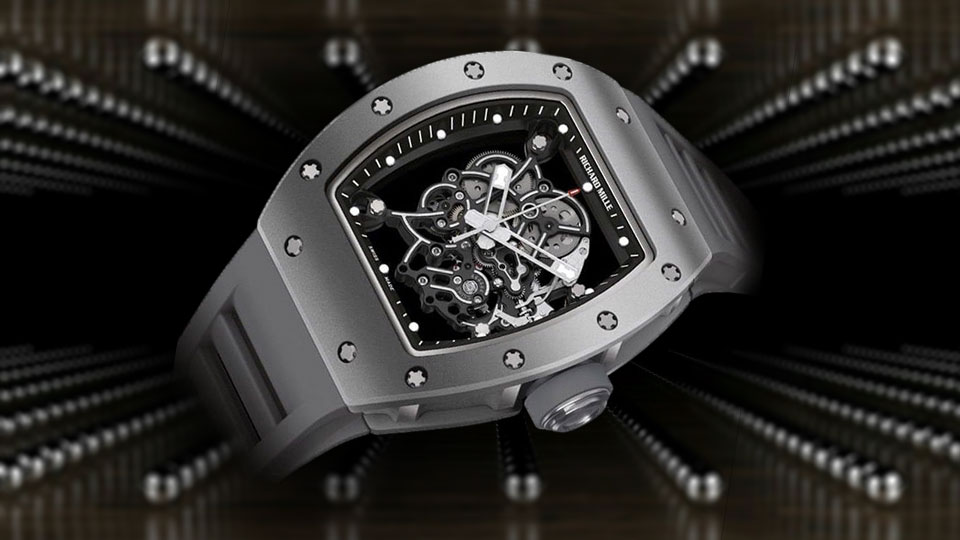
Compare listings at the same reference and option level before interpreting any price difference. The displayed amounts reflect the archived storefront.
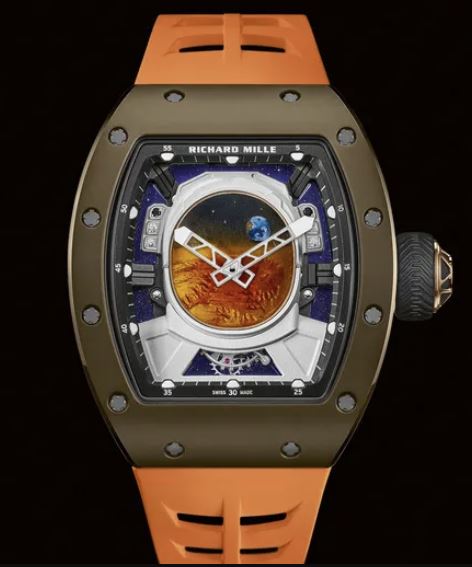
The lowest price in a range usually applies to one option. Check the reference, selected option and included information before comparing it to another entry.
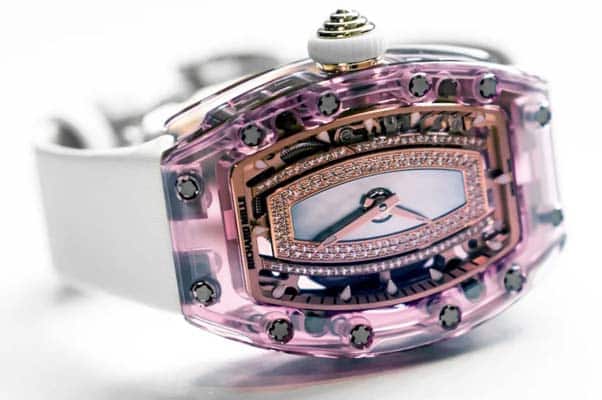
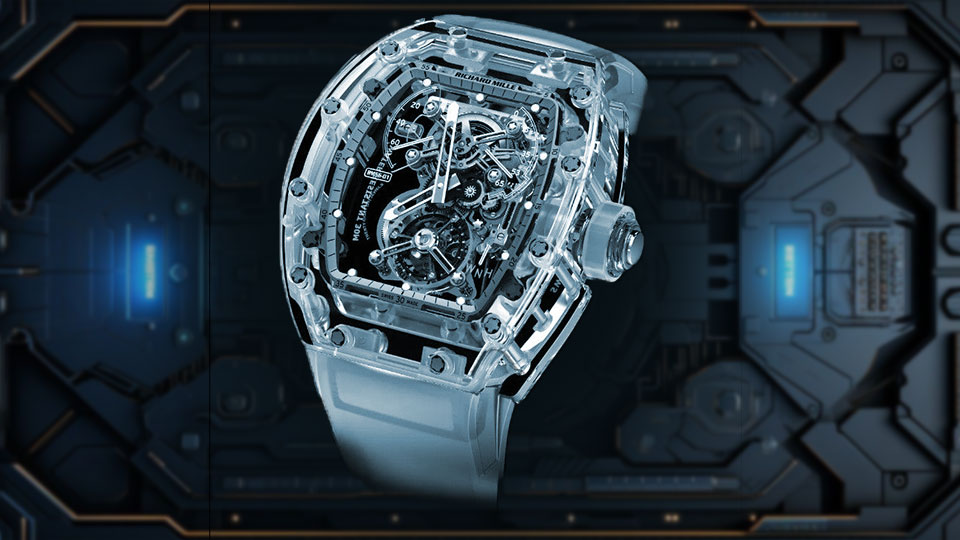
A skeleton dial exposes parts of the mechanism from the front, while a transparent case changes the view from the sides. Use both angles when comparing see-through designs.
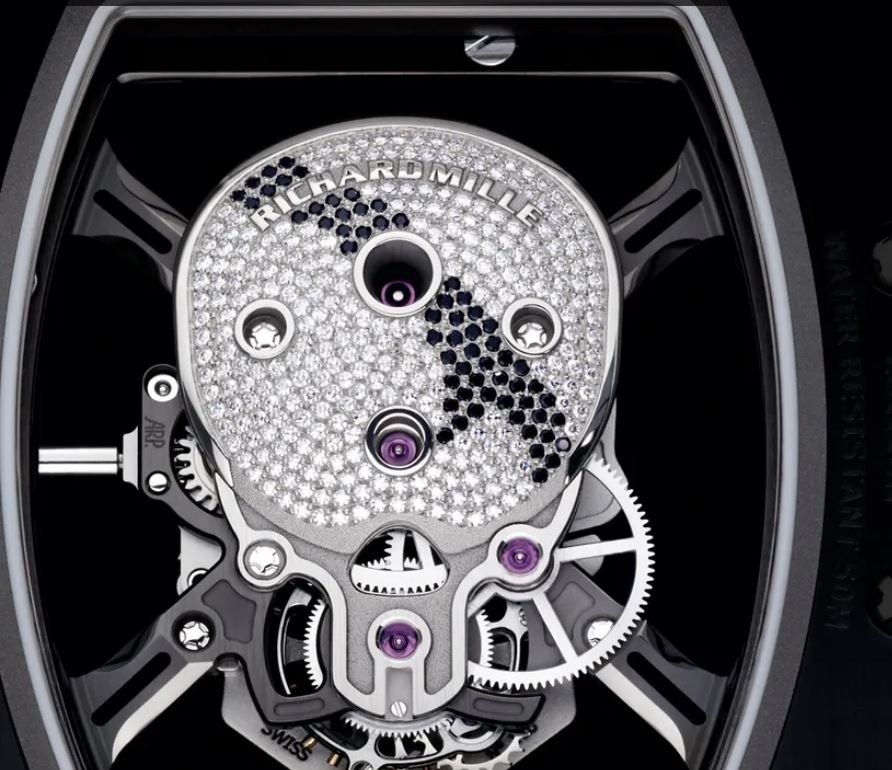
Skull-dial listings can vary by finish, strap and movement label. Match those attributes when comparing historical prices across RM 52 entries.
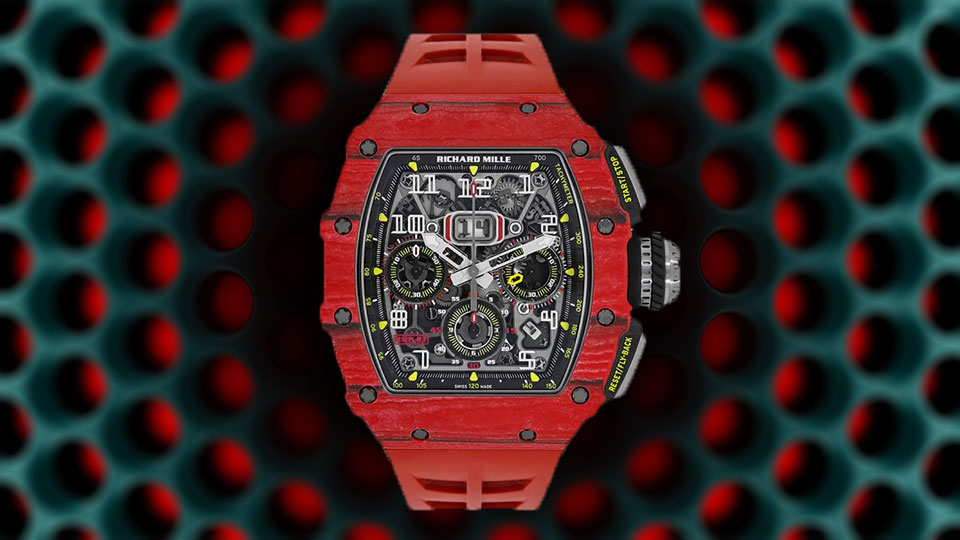
Red can appear in the strap, bezel or small dial markers. Comparing the placement of the color is more useful than grouping every red listing together.