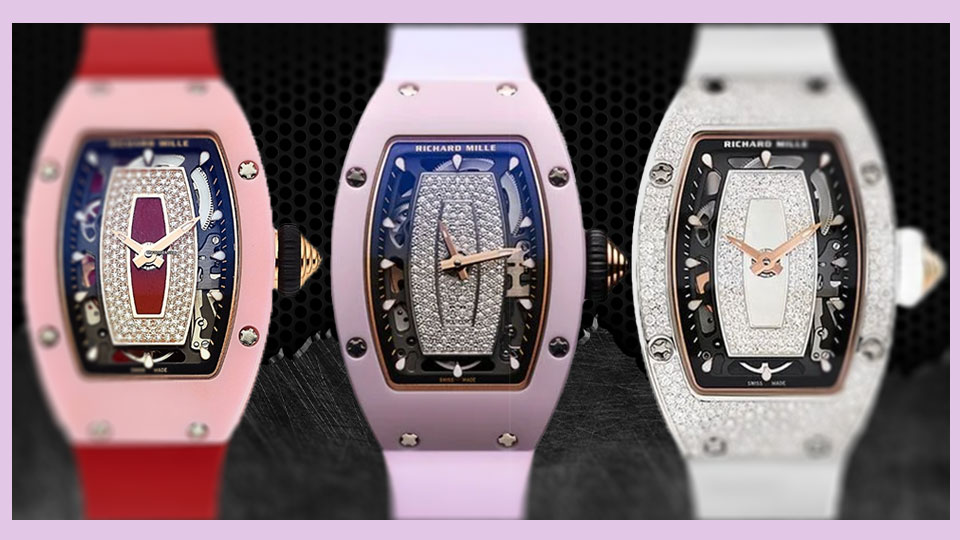
Look at the setting pattern, coverage and spacing in close-up images. The appearance of stones in a photograph does not establish their material or grade.
Look at the setting pattern, coverage and spacing in close-up images. The appearance of stones in a photograph does not establish their material or grade.
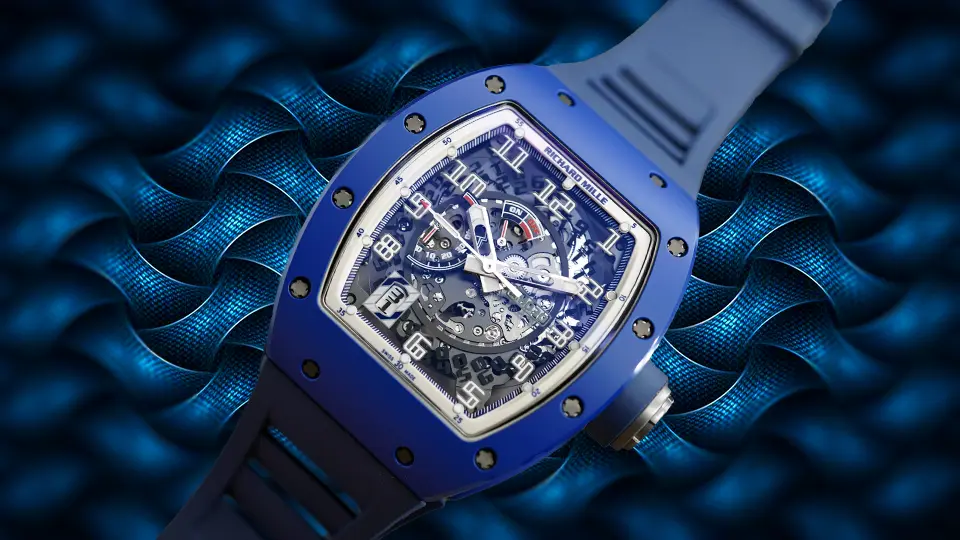
Blue varies with lighting and material. Use multiple views to distinguish a blue strap from blue dial details, and avoid inferring the shade from one studio image.
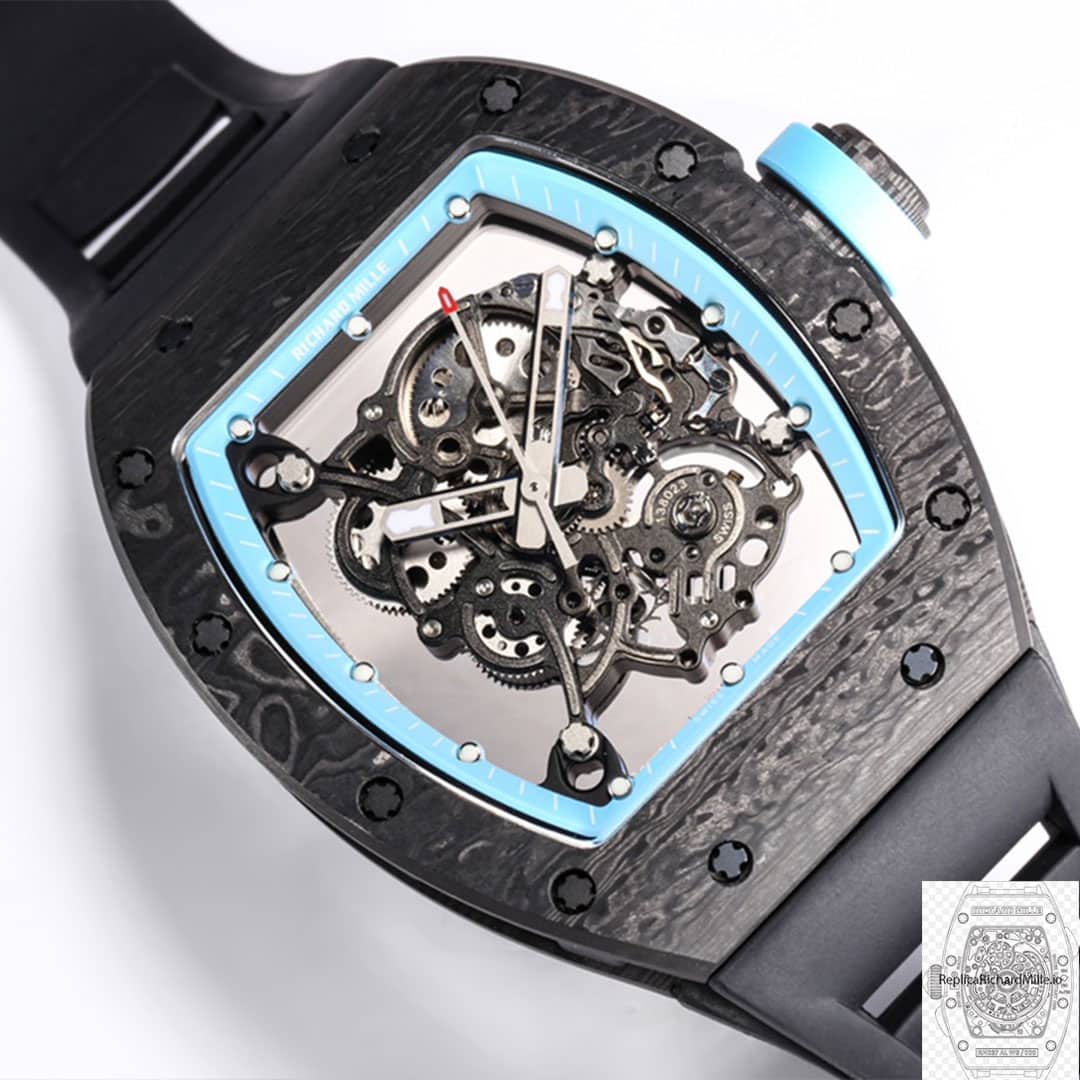
The RM 001 category brings together the surviving listings under one reference family. Check individual records for the dial color, movement label and recovered images.
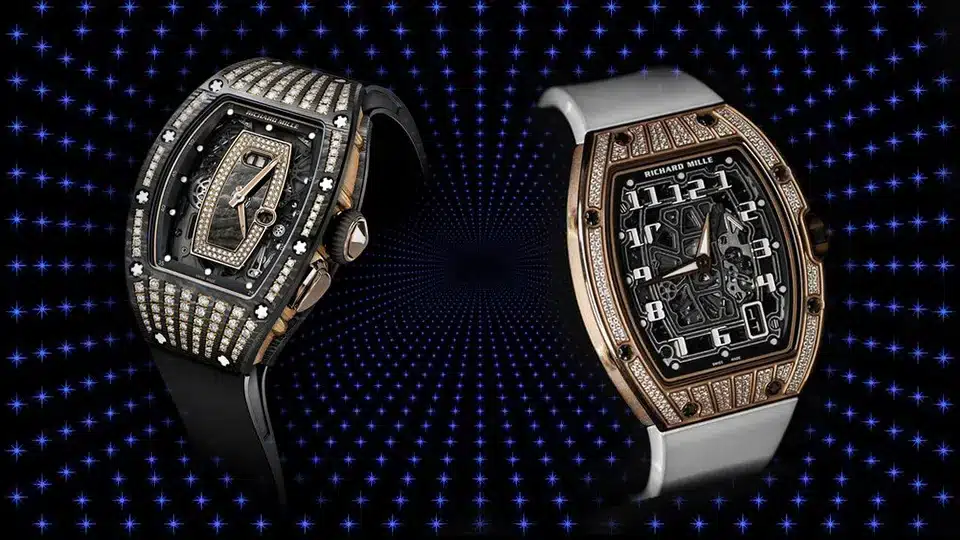
A tonneau case can make unrelated watches look similar from the front. Compare crown shape, case width and dial structure before grouping them by design.
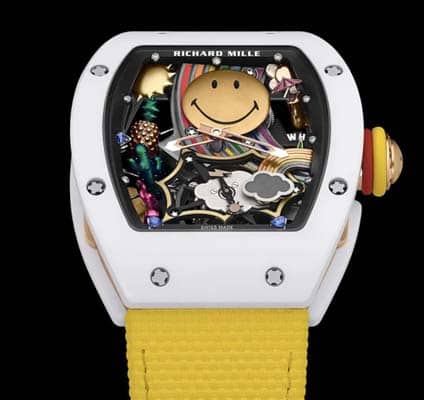
Check reference, case material, dimensions, movement and strap. These fields make model comparisons more reliable than promotional grade labels alone.
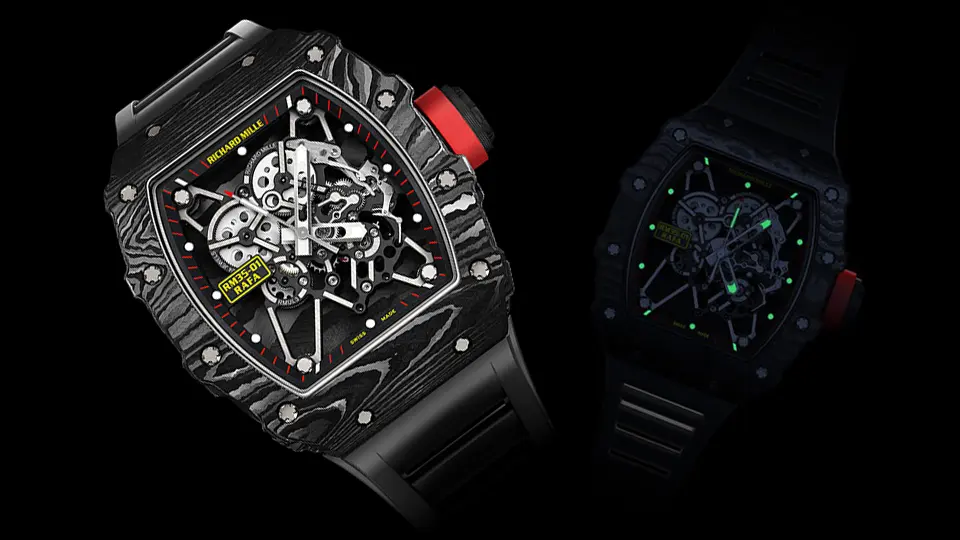
Look at the case profile and strap attachment when comparing RM 35-01 entries. Black straps can appear on different models and do not identify a reference by themselves.
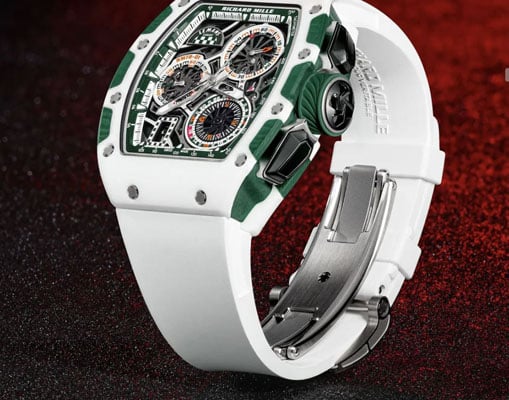
Keep a short list of model, size and materials before opening several listings. Note which details are verified by the archive and which were never captured.
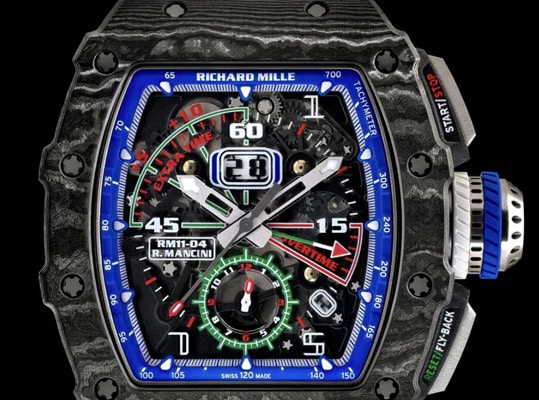
Use the dial registers, date display and bezel profile to organize the RM 011 records. Preserve suffixes because they often distinguish the archived versions.
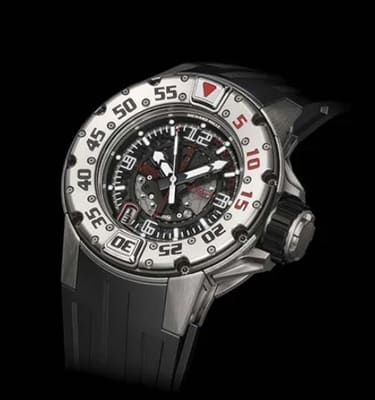
Sale amounts are historical data from the original site. Compare the archived option and date, and avoid treating an old offer as current availability.
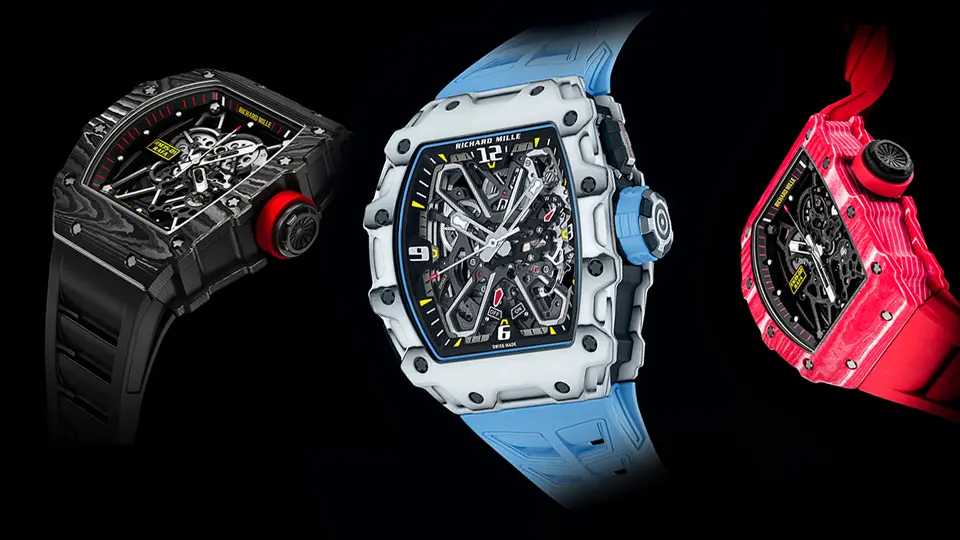
The archived store used labels such as Super Clone for some product options. Read those labels alongside the specific attributes because the label alone does not establish construction or quality.